Why Leaders Should Choose Teambuilding: The Key to Strong Leadership
View article 
Written by: Stephanie Le Clef
Head of Team Masters
For years, teambuilding has been a fixed date in the calendar for many organisations. One day where colleagues do something fun together, take a break from work and then return to business as usual.
And don’t get me wrong: these moments remain incredibly valuable. A well-chosen teambuilding activity can be exactly what a team needs at that moment: to reconnect, have fun together, celebrate successes or create new energy.
But teambuilding can also be more than that.
Organisations that want to work structurally on collaboration, trust, communication or engagement can consciously connect different team moments as part of a strategic teambuilding journey. This turns teambuilding from an activity on the calendar into part of a broader approach to team development and company culture.
Welcome to the era of Team Journeys.
A Team Journey is a strategic teambuilding journey in which different team moments are consciously connected around one or more team objectives.
The different experiences are spread over a longer period, with each contributing in its own way to the development of the team and company culture. Every experience has a clear purpose and builds on what the team needs at that particular moment.
So, it is much more than simply “a series of teambuilding activities”.
Perhaps you want new colleagues to integrate more quickly. Maybe you want to strengthen collaboration between departments following a reorganisation. Or perhaps you notice that hybrid teams could benefit from a stronger sense of connection. Instead of organising one standalone event, you build stronger collaboration, trust and engagement step by step.
Just as a customer moves through a customer journey, employees are increasingly experiencing a Team Journey.
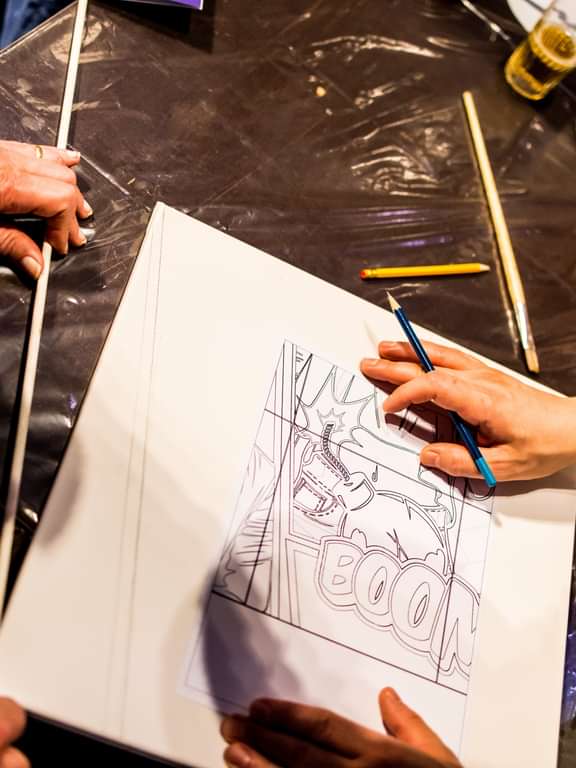
A standalone teambuilding is one focused team moment. A Team Journey, or teambuilding journey, connects several team moments over a longer period around a common objective.
But not every team needs such an extensive journey.
Do you want to thank colleagues after an intense project, celebrate a success together or simply reconnect? Then one well-chosen teambuilding can have exactly the impact you are looking for.
Is there a broader challenge at hand? Perhaps you want to work on trust, collaboration, communication, engagement or team culture in the long term. In that case, it may be worth looking beyond a single moment and opting for a team development journey.
A Team Journey connects different team moments around a shared objective. Not because one teambuilding is not valuable enough, but because objectives such as building trust, improving communication or strengthening collaboration often require time and repetition.
So, rather than automatically choosing more teambuildings, you make more conscious choices about what your team needs and when.
There is no ideal frequency that applies to every company or team. For a stable team, one well-chosen teambuilding per year may be enough to relax, celebrate successes and reconnect. Teams that are growing rapidly, undergoing change or consciously working on trust and collaboration may benefit more from several targeted team moments throughout the year.
The most important question is therefore not: “How many teambuildings should we organise?”
But rather: “What does our team need today, and what do we want to achieve?”
With that in mind, one teambuilding can work perfectly well as a standalone activity or become part of a broader teambuilding journey or Team Journey.
A Team Journey does not automatically mean organising more activities either. Above all, it means that every team moment is chosen deliberately and has a clear place within a bigger picture. Each step supports a specific team objective and contributes to sustainable team development.
At one point, the focus may be on building trust; at another, on open communication, ownership or shared objectives. Together, these experiences form one story in which teams can continue to grow step by step.
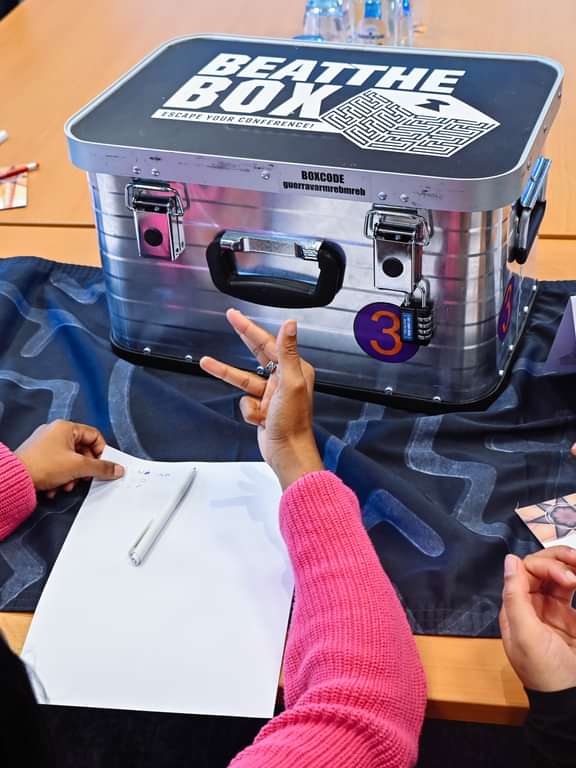
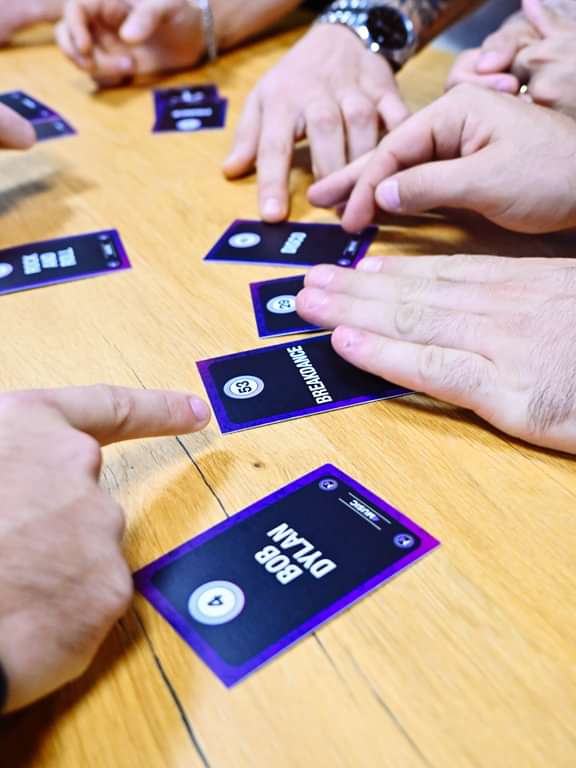
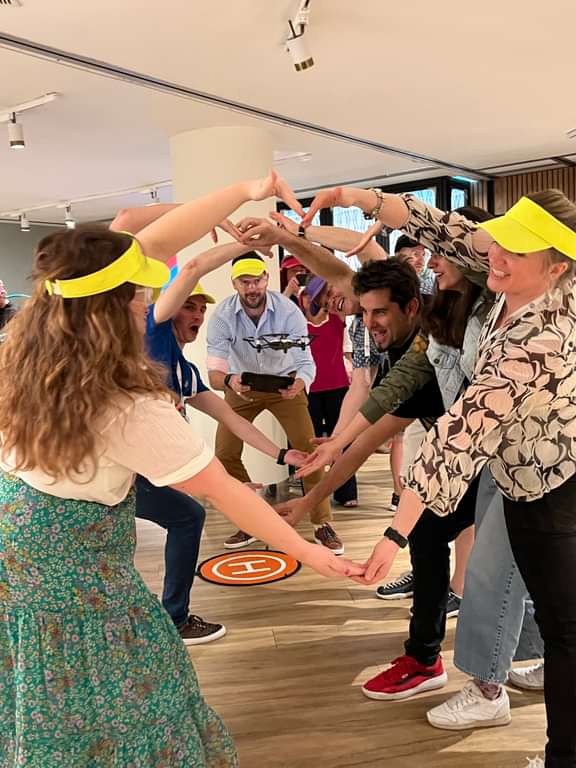
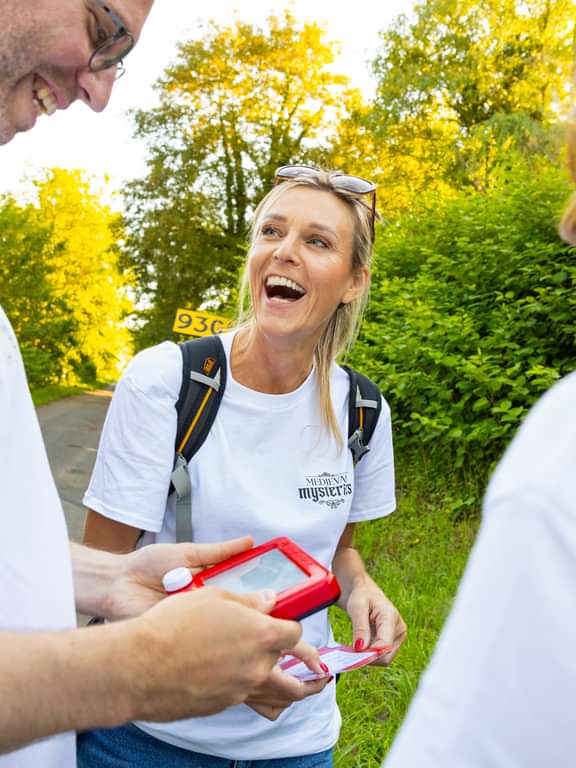
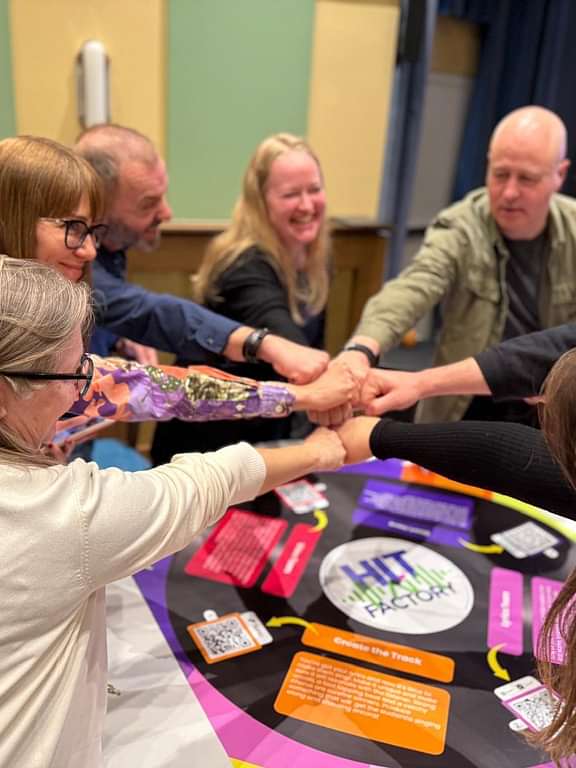
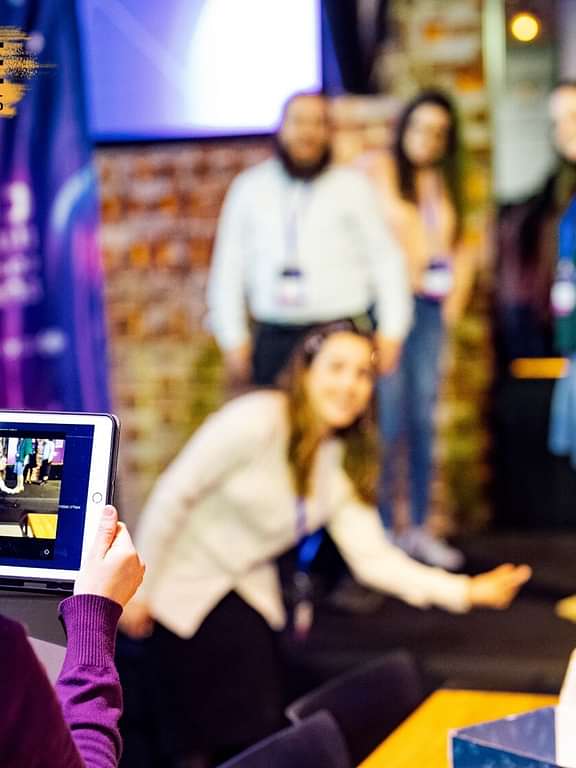
More and more organisations are discovering that team experiences are no longer simply a nice extra; they are an investment in team development. Well-chosen team moments can contribute to better collaboration, greater engagement, stronger connections and a positive company culture. For HR professionals, teambuilding can therefore be much more than an annual activity.
Not only as a moment to relax, but also as a strategic HR tool to create lasting connections between employees and with the organisation itself. Teambuilding can support onboarding, change processes, cross-departmental collaboration, employee engagement and the strengthening of company culture.
A successful activity is therefore not just about having fun. It has a clear purpose, supports change and brings people closer together. It reinforces the culture you want to build as an organisation. A Team Journey throughout the year could, for example, look like this:
Together, these experiences do not form a collection of standalone events, but a coherent teambuilding journey: a Team Journey. And that is precisely how you create a culture in which people feel engaged, collaborate more effectively and enjoy continuing to build the same story together.
At Team Masters, we believe every teambuilding should start with what a team and organisation want to achieve.
We work with you to identify what your team needs today and which teambuilding experience best matches those needs. This could involve collaboration, trust, communication, creativity, change or simply making time for one another again. With more than 30 years of experience, a broad range of innovative and proven concepts and our partnership with Catalyst Global, we can tailor activities to a wide variety of teams and objectives.
Not every teambuilding needs to be part of a journey. But every teambuilding can consciously contribute to what you want to achieve as a team.
Sometimes, one powerful team moment is exactly what you need. Sometimes, that same moment can become the starting point of a broader teambuilding journey, with different experiences consciously building on one another throughout the year. Team Masters can create both standalone activities and tailored Team Journeys, aligned with your company culture, participants and HR or team objectives.
Because the best teambuildings are not only the ones people are still talking about the next day. They are, above all, the experiences that can still be felt later in the way a team works together.
After the summer holidays, many teams return with fresh energy, new objectives and a busy autumn ahead. It is the perfect time to bring colleagues closer together again.
Whether you are looking for one powerful team moment or the first building block of a broader teambuilding journey, our autumn teambuildings help you create renewed connection, energy and collaboration.
Yes. With a custom-made concept, the storyline, challenges, design and content can be tailored to your company, strategy, values or current challenges.
A customised teambuilding is particularly suitable for anniversaries, change programmes, leadership days, mergers, international gatherings or programmes built around a specific company message.
Yes. In addition to one-off teambuilding activities, Team Masters can create a customised teambuilding journey consisting of multiple activities or touchpoints spread over a longer period. Each journey starts with the team’s specific goals and challenges, such as collaboration, communication, trust, leadership, team culture, creativity or change. Based on these objectives, we create a programme combining different approaches and teambuilding activities that build on one another.
A teambuilding journey is particularly valuable for organisations that are looking for more than a single enjoyable team moment and want to invest sustainably in the development and connection of their teams. Together, we determine the approach, timing and activities that best fit your organisation and HR objectives.
Read more blogs on teambuilding, teamwork, and team inspiration.