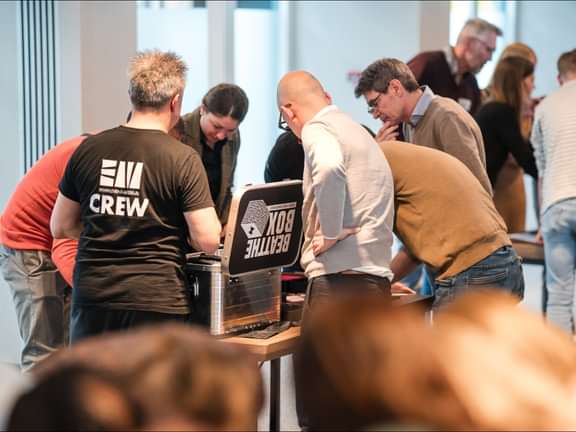
The future of teambuilding: trends and innovations
View article 
Written by: Johnny Machiels
Managing Partner & COO Team Masters
How do you make sure different generations in the workplace don’t just work alongside each other, but truly work together? The answer isn’t to eliminate their differences. Quite the opposite. Strong teams learn how to make the most of different experiences, perspectives, talents and ways of working. Strategic teambuilding can be a powerful tool to achieve this.
By taking employees out of their usual roles, functions and routines and giving them a new challenge to tackle together, you create a more level playing field. Colleagues get to know each other in a different way and discover qualities that may not always be visible in their day-to-day work.
Today, several generations often work side by side within the same organisation. From young employees who have only just entered the workforce to colleagues with decades of experience.
This diversity is valuable, but it can also lead to misunderstandings. Not necessarily because generations are fundamentally different, but because people have developed different experiences, expectations and habits.
Think of differences in communication preferences, the way feedback is given, the use of digital tools, expectations around autonomy and leadership, or the speed at which decisions are made.
When teams don’t understand each other well enough, these differences can lead to frustration or assumptions. When used effectively, however, they can become a source of creativity, knowledge sharing and innovation.
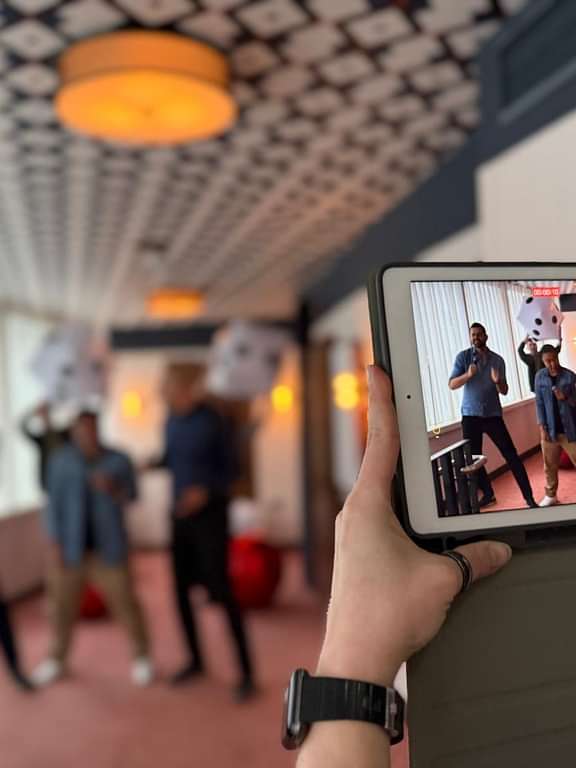
During a teambuilding experience, job titles, seniority and established working patterns temporarily fade into the background. A colleague who tends to be reserved during meetings may suddenly turn out to be highly creative. Someone who rarely works with new technology may prove to be a strong problem-solver. A younger employee may naturally take the lead, while a more experienced colleague may excel at listening and connecting people.
This allows people to get to know each other based on what they contribute, rather than their age, role or assumptions about them.
A well-designed teambuilding rarely relies on just one type of talent. Teams need to analyse, listen, create, decide, communicate and execute. As a result, complementary strengths naturally come into play.
One participant may quickly spot new opportunities, while another keeps an eye on the bigger picture. Someone may feel comfortable with technology, while a colleague excels at storytelling, planning or human interaction.
That’s exactly where the strength of a diverse team lies: not everyone needs to have the same skills to achieve a better result together.
Good communication isn’t something you develop simply by talking about it. Teams need to experience it too. When colleagues work together on a task under time pressure, it quickly becomes clear what works and what doesn’t. Are people listening to each other? Is information communicated clearly? Does someone ask questions when something isn’t clear? Does everyone get the opportunity to contribute?
Teambuilding creates a safe environment in which teams can recognise their own communication patterns and adjust them.
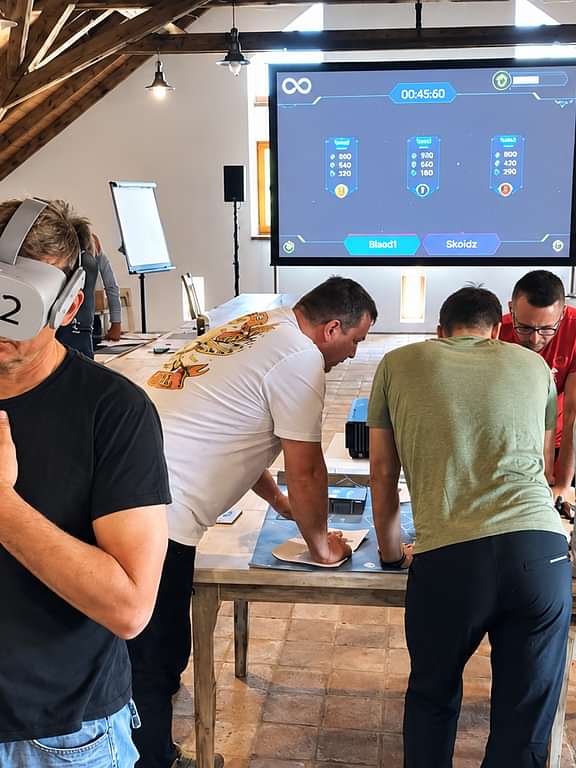
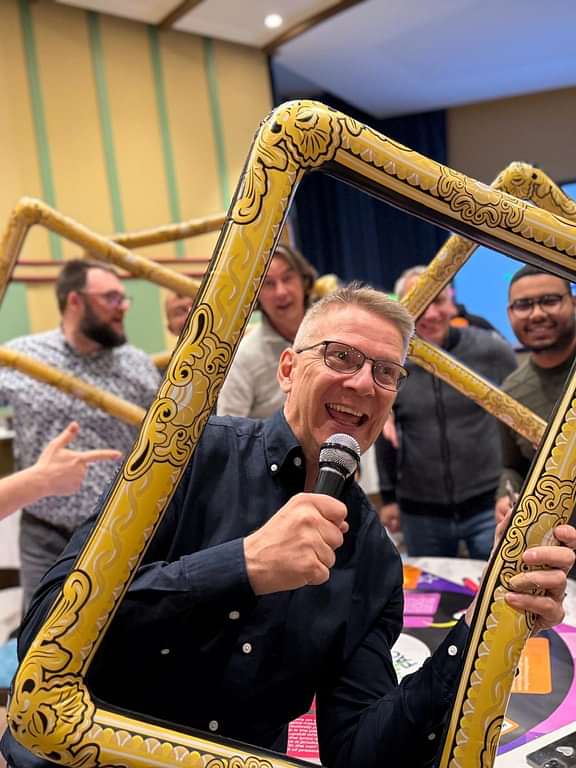
Not every teambuilding experience automatically strengthens collaboration between different generations. The most interesting formats are those in which participants genuinely need each other and have to combine different strengths.
In Making the News, teams step into the role of a news editorial team. They gather information, make decisions, build a story and use accessible AI tools along the way.
What makes the experience particularly interesting is the combination of different skills. Some participants may feel more comfortable with AI and digital applications, while others excel at editing, storytelling, critical thinking, structure or presentation.
But no one can complete the challenge alone.
Technology needs content. Creativity needs structure. And a strong story can only emerge when the team shares information and makes decisions together.
Why is this interesting for a multigenerational team? Because technology doesn’t become the goal itself, but rather a tool around which different talents need to collaborate.
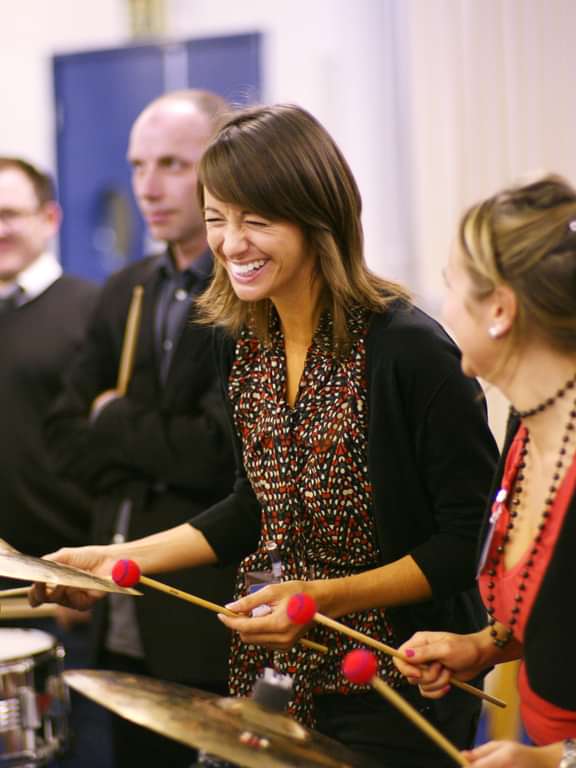
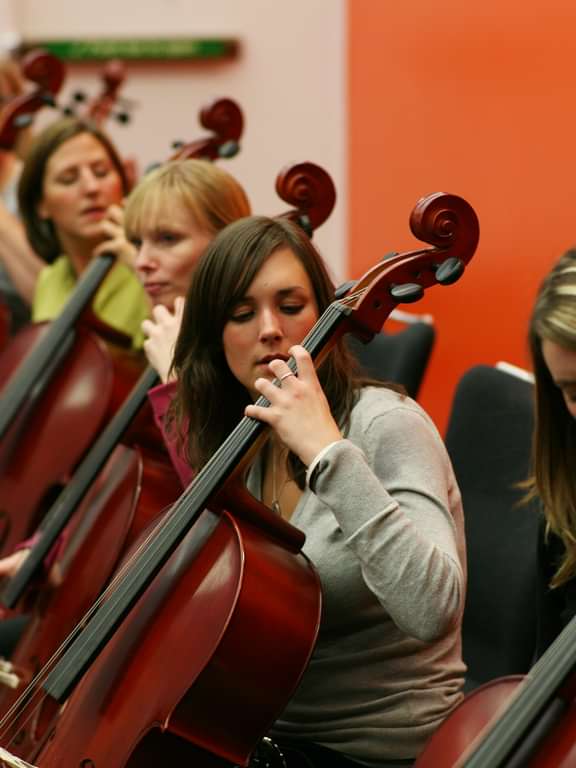
During Orchestrate, a group with no previous musical experience is transformed into a symphony orchestra in a short amount of time.
This creates a remarkably level playing field. Job title, age or seniority won’t help you achieve the final goal. Everyone has to learn a new skill and depends on the rest of the group to succeed.
You need to listen to others, master your own role and, at the same time, remain aware of the bigger picture.
The metaphor for organisations is powerful: a strong team isn’t created because everyone does the same thing, but because different roles and talents work together in harmony.
During Building Blocks, each team is challenged to use building materials to create one part of a larger whole. But it’s about much more than simply building. Participants need to exchange ideas, plan, divide tasks, make decisions and continuously coordinate with each other.
As a result, different ways of thinking and working naturally emerge. One colleague may prefer to start experimenting straight away, while another wants to create structure and develop a plan first. That’s exactly what makes Building Blocks interesting for multigenerational teams: there is no single right way of working, and different approaches can actually strengthen each other. Participants experience first-hand that individual differences don’t have to be an obstacle, but can instead become the building blocks of a stronger team.


Of course, a generation gap won’t disappear after a single afternoon of teambuilding. The real value emerges when the activity connects to a specific challenge within the team and when time is taken afterwards to reflect on what happened during the collaboration.
Who took on which role? When did communication work well? Where did misunderstandings arise? What qualities did colleagues discover in each other? And what can the team take from the experience into their day-to-day collaboration?
That’s the difference between a fun activity with colleagues and strategic teambuilding with lasting impact.
A multigenerational workplace isn’t a problem that needs to be solved. It’s an opportunity that needs to be used effectively. When employees learn to recognise each other’s strengths, listen to one another more closely and experience how different perspectives can lead to stronger results, greater mutual understanding develops.
Strategic teambuilding creates exactly that experience: not by making everyone the same, but by helping people work better together because of their differences. That’s what Team Masters stands for: Together Even Better.
Want to discover which teambuilding concept best matches your team’s challenges, composition and objectives? Explore the possibilities at Team Masters and start not from the activity itself, but from the impact you want to create within your team.

Teambuilding cannot eliminate generational differences, nor does it need to. A well-chosen teambuilding experience can, however, challenge assumptions, improve communication and help employees experience first-hand how different strengths can complement each other.
Ideally, choose an activity that requires different skills and encourages participants to rely on one another to achieve a shared goal. Collaboration should matter more than individual speed, physical strength or prior technical knowledge.
Rather than focusing on labels such as Gen Z, millennials, Generation X or baby boomers, start with the actual dynamics within the team. Age is only one aspect of diversity. Personality, experience, expertise, background and ways of working are just as important.
Read more blogs on teambuilding, teamwork, and team inspiration.